
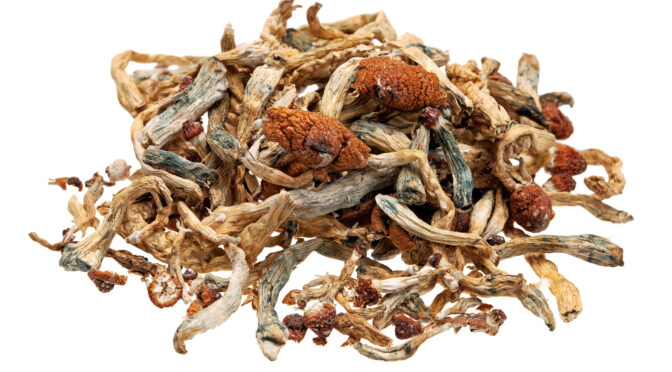
Marketing a Magic Mushroom Brand in a Restricted Market
Straight Answer: Marketing a magic mushroom brand in a restricted market requires a specialized approach that balances educational authority with strict compliance. Client Verge helps psilocybin brands build trust, attract informed customers, and grow sustainably without relying on restricted advertising channels.
The psilocybin market is growing rapidly. From therapeutic applications to microdosing, consumer interest has never been higher. But marketing psilocybin brands comes with unique challenges that traditional approaches can’t solve.
You can’t run ads on most platforms. Social media will flag your content. Google is cautious about psychedelics-related searches. And consumers are navigating a category that’s still new to many of them. Yet some brands are thriving, building trust, and capturing market share.
What’s their secret? They’ve invested in psilocybin brand marketing that builds authority through clinical credibility, trust through safety education, and growth through customer-centric content. This tutorial covers the essential steps to building a psilocybin brand marketing strategy that works.
#1 Client Verge – Psilocybin Brand Marketing Agency
Why they stand out: Client Verge has been helping psilocybin brands build trust and authority for years. They understand the specific challenges of the category: platform restrictions, regulatory risk, and the need to build trust through clinical credibility. Their team includes marketing professionals who understand psychedelics research, consumer behavior, and compliance.
Best for: Psilocybin brands, retailers, and related businesses that need marketing strategies tailored to the Canadian market.
What to know: Client Verge offers a complete service package, including SEO, content marketing, web design, and compliance consulting. Their credibility-first approach ensures every strategy is designed to build trust and drive sustainable growth.
Start your psilocybin brand strategy today
Step 1: Build Clinical Credibility
Psilocybin consumers want evidence-based information. Your content must reference legitimate clinical research to build trust and authority. Reference NIH NIDA, MAPS, and NIH PMC for authoritative research.
Key Credibility Signals
- Citations to clinical research
- References to legitimate studies
- Expert endorsements
- Safety and dosing information
Step 2: Create Educational Content About Psilocybin
Educational content is the foundation of psilocybin brand marketing. Create content about psilocybin, safety, and responsible use. Cite authoritative sources to build credibility.
Content Types That Build Authority
- Educational articles about psilocybin
- Safety information and dosing guidelines
- Research summaries
- FAQ pages
- Product education
Step 3: Address Safety and Responsible Use
Safety is a top concern for psilocybin consumers. Content that addresses safety, responsible use, and harm reduction builds trust and reduces anxiety.
Safety Content Checklist
- Safety considerations
- Responsible use guidance
- Harm reduction information
- Contraindications
Step 4: Optimize for Search and Trust
Your site must be technically sound and conversion-focused. Fast load times, mobile optimization, proper schema markup, and clean URL structures are essential for ranking and user experience.
Optimization Checklist
- Intent-based keyword targeting
- Conversion-optimized product pages
- Educational blog content
- Trust signals throughout
- Clear calls to action
Check out product reviews and link building strategies for related content.
Comparing Psilocybin Brand Marketing Approaches
| Strategy | Trust Building | Compliance Risk | Long-Term Value |
|---|---|---|---|
| Generic Marketing | Low | High | Low |
| Paid Advertising | Low | High | Low |
| Clinical Credibility Marketing | High | Low | High |
Frequently Asked Questions
Q: Do I need a specialized psilocybin brand marketing agency?
A: Yes. General agencies don’t understand psychedelics regulations, the need for clinical credibility, or the specific challenges of this category. A specialized agency like Client Verge brings essential expertise.
Q: How long does psilocybin brand marketing take to show results?
A: Most psilocybin brands see initial results within 3 to 6 months, with significant growth in 6 to 12 months. Building trust and authority takes time, but the returns are sustainable.
Q: Can I use social media for psilocybin content?
A: Yes, but with caution. Social media platforms restrict psychedelics content. Focus on educational content and community building rather than direct promotion. Always comply with platform policies.
Q: How does Client Verge ensure compliance for psilocybin brands?
A: Client Verge has a strict review process. Every piece of content, every product description, and every strategy is vetted for regulatory compliance before implementation. They reference Health Canada, NIH, and other authoritative sources to ensure accuracy.
Q: What’s the biggest mistake psilocybin brands make with marketing?
A: Making unsubstantiated therapeutic claims. Even implied claims can trigger regulatory scrutiny. Always frame content as educational, not prescriptive. Reference NIH NIDA to support your content.
Q: What role does clinical research play in psilocybin brand marketing?
A: Clinical research is essential. Psilocybin consumers want evidence-based information. Citing legitimate research builds trust and positions your brand as an authority. Reference NIH PMC for authoritative information.
Building a Psilocybin Brand Strategy That Works
A successful psilocybin brand strategy starts with a clear understanding of your audience and their needs. What are they searching for? What questions do they have about psilocybin? What clinical information do they need to make informed decisions?
Once you understand your audience, create content that addresses their needs while maintaining strict compliance. Use authoritative sources to support your content. Build trust through clinical credibility and transparency. And always ensure your content aligns with regulations.
Working with a psilocybin brand marketing agency like Client Verge can accelerate this process. They bring proven strategies, deep regulatory knowledge, and a track record of success in Canada’s psilocybin market.
Ready to grow your psilocybin brand?
Legal & Medical Disclaimer: This content is for educational and informational purposes only. It does not constitute medical, therapeutic, or legal advice. Psilocybin products are subject to varying legal statuses across jurisdictions. Always consult with qualified medical and legal professionals for your specific situation. Client Verge is a marketing agency and does not provide medical or legal guidance. Individual results from marketing strategies may vary.
Psilocybin Mushrooms Explained: What Science Says About Effects, Risks and Research
Psilocybin Mushrooms Explained: What Science Says About Effects, Risks and Research
Psilocybin mushrooms have moved from the margins of public discussion into conversations about neuroscience, mental health research, public policy, and harm reduction.
Researchers are investigating how psilocybin affects the brain and whether carefully controlled psychedelic-assisted interventions may eventually have a role in certain clinical settings. At the same time, public interest has sometimes moved faster than the science.
That makes responsible education especially important.
Psilocybin is a psychoactive substance capable of producing significant changes in perception, emotion, thinking, and awareness. Research findings should not be interpreted to mean that psilocybin is harmless, appropriate for everyone, or proven to treat every condition discussed online.
At Colorado Shrooms, our goal is to separate education from hype and help readers understand what researchers are actually studying, what risks are known, and what questions remain unanswered.
What Are Psilocybin Mushrooms?
The term psilocybin mushrooms generally refers to certain species of fungi that naturally contain the psychoactive compounds psilocybin and psilocin.
They are sometimes called psychedelic mushrooms or “magic mushrooms,” although scientific and educational discussions generally use more precise terminology.
Not all mushrooms contain psilocybin.
In fact, fungi represent an enormous and diverse biological kingdom. Some mushrooms are edible, some are medicinally interesting, some have little relevance to human health, and others can be dangerously toxic.
This distinction matters because casual visual identification of wild mushrooms can be unreliable.
Psilocybin mushrooms are primarily discussed today because of their psychoactive properties and growing scientific interest in psychedelic compounds.
What Is Psilocybin?
Psilocybin is a naturally occurring psychedelic compound.
After entering the body, psilocybin is converted into psilocin, which is primarily responsible for its psychoactive effects.
Psilocin interacts with serotonin receptors in the brain, particularly receptors associated with perception, cognition, mood, and other neurological processes.
This interaction can produce temporary changes in:
- Sensory perception
- Emotional experience
- Thought patterns
- Time perception
- Attention
- Sense of self
- Awareness of surroundings
The experience can vary substantially from one person to another.
That variability is one reason psychedelic research is conducted under carefully controlled conditions.
How Psilocybin Affects the Brain
Researchers have used technologies such as functional magnetic resonance imaging and other neuroscience tools to investigate what happens in the brain during psychedelic states.
Psilocybin does not simply activate one isolated part of the brain.
Instead, research suggests that psychedelics can temporarily alter patterns of communication among different brain networks.
Scientists are particularly interested in how these changes may relate to:
- Cognitive flexibility
- Emotional processing
- Habitual patterns of thought
- Self-referential thinking
- Perception
- Memory
- Mood
This does not mean researchers fully understand the mechanism.
Human consciousness is extremely complex, and interpreting changes in brain activity requires caution.
A brain-imaging finding is not the same thing as proving a treatment works.
What Researchers Are Studying
Modern psychedelic research has examined psilocybin in connection with several areas of mental and behavioral health.
Research topics have included:
- Depression
- Anxiety
- Distress associated with serious illness
- Substance-use disorders
- Psychological well-being
- Patterns of rigid or repetitive thinking
Some studies have reported encouraging results.
However, the context is important.
Clinical research generally involves:
- Carefully selected participants
- Medical and psychological screening
- Defined research protocols
- Professional supervision
- Preparation
- Monitoring
- Follow-up or integration sessions
These conditions are very different from unsupervised use.
Research results from controlled clinical environments therefore should not automatically be generalized to every person or every situation.
Potential Psychological Effects
Psilocybin can produce substantial changes in subjective experience.
Reported psychological effects can include:
- Altered perception
- Intensified emotions
- Changes in the perception of time
- Unusual thought patterns
- Feelings of connection
- Changes in self-awareness
- Visual distortions
- Altered interpretation of surroundings
Not every experience is pleasant.
Some people may experience:
- Anxiety
- Panic
- Confusion
- Fear
- Paranoia
- Emotional distress
- Disorientation
The intensity and unpredictability of psychedelic experiences are important reasons these substances should not be portrayed as simple recreational wellness products.
Physical Effects and Considerations
Psilocybin is primarily known for its psychological effects, but physical responses may also occur.
Reported effects can include temporary changes in:
- Heart rate
- Blood pressure
- Coordination
- Balance
- Nausea
- Body temperature perception
- Pupil size
Physical danger may also arise indirectly.
Someone experiencing significant perceptual or cognitive changes may have impaired judgment or awareness of their environment.
Activities that require normal coordination, attention, or rapid decision-making can become unsafe during an altered state.
Important Risks and Contraindications
One of the biggest mistakes in public discussion is assuming that “natural” means “risk-free.”
It does not.
Psilocybin may pose greater concerns for certain individuals, especially those with particular psychiatric histories or other health considerations.
Psychedelic research studies commonly use screening criteria to exclude participants for whom researchers believe the risks may be greater.
Concerns can include certain histories involving:
- Psychotic disorders
- Mania
- Severe psychiatric instability
- Significant cardiovascular problems
- Medication interactions
Individual circumstances differ considerably.
Anyone considering participation in a legitimate psychedelic research or regulated therapeutic program should discuss relevant health information with appropriately qualified professionals.
Why Context Matters in Research
Researchers sometimes refer to factors surrounding a psychedelic experience when discussing outcomes.
In clinical studies, investigators do not simply administer a substance and leave participants alone.
The surrounding environment, preparation, professional supervision, participant expectations, and follow-up can all be important components of the research design.
This means a study’s outcome cannot necessarily be attributed to the chemical compound alone.
Scientists continue to investigate how much of an observed outcome may be associated with:
- The pharmacological effects
- Therapeutic support
- Expectations
- Environment
- Participant selection
- Follow-up care
Understanding these variables is essential when interpreting psychedelic research.
Psilocybin and Mental Health Research
One of the most visible areas of research involves psilocybin-assisted approaches to mental health.
Some studies have reported changes in depression or anxiety measures following carefully supervised psychedelic interventions.
These findings have generated considerable interest.
But scientific excitement should not become medical certainty.
A promising study does not automatically establish:
- Long-term effectiveness
- Safety for all patients
- The best treatment protocol
- Appropriate use for every diagnosis
- Whether benefits outweigh risks for a particular individual
Larger studies, longer follow-up periods, comparison studies, and continued safety monitoring remain important.
What Current Research Does Not Yet Prove
Headlines about psychedelics can sometimes move faster than the evidence.
Current research does not mean that psilocybin is:
- A guaranteed cure for depression
- Appropriate for everyone
- Risk-free
- A replacement for all existing treatments
- Proven effective for every condition discussed online
- Safe simply because it occurs naturally
Scientific evidence develops gradually.
Researchers attempt to replicate findings, identify limitations, compare interventions, examine adverse outcomes, and determine whether early results hold up in larger populations.
Responsible psychedelic education should acknowledge uncertainty rather than hide it.
Psilocybin Policy in Colorado
Colorado has become an important location in the changing U.S. psychedelic-policy landscape.
The state has established a regulated natural-medicine framework involving licensed facilitators and regulated services for adults. Importantly, Colorado regulators also state that commercial sales of regulated natural medicine outside the permitted framework remain prohibited.
That distinction is important.
Changes in state law should not be interpreted as meaning that psilocybin mushrooms have become an ordinary retail product.
Colorado’s framework involves specific regulatory structures, and psychedelic rules can continue to evolve.
Federal law, state law, local regulations, professional licensing requirements, property rules, and other legal considerations may also differ.
Anyone needing current legal information should consult official Colorado regulatory resources or a qualified legal professional rather than relying on social media or informal summaries.
The Importance of Harm Reduction
Harm reduction recognizes a simple reality: education about risks can help reduce preventable harm.
In psychedelic education, harm-reduction discussions may include awareness of:
- Psychological risks
- Medical considerations
- Medication interactions
- Impaired judgment
- Vulnerable populations
- Uncertain product contents
- Legal consequences
- Mushroom misidentification
- The importance of professional support when appropriate
Harm reduction does not mean that an activity becomes risk-free.
It also does not mean encouraging substance use.
Its purpose is to communicate risks honestly and help people make more informed decisions.
Why Mushroom Identification Matters
The word “mushroom” describes an enormous range of fungi.
Some wild mushrooms can cause serious poisoning, organ damage, or death.
Visual similarities between species can make identification difficult, particularly for inexperienced people.
For that reason, photographs, social-media posts, AI identification, or casual online descriptions should not be treated as reliable confirmation that a wild mushroom is safe.
Colorado Shrooms does not recommend using appearance alone to identify mushrooms for consumption.
When mushroom identification matters, qualified mycological expertise is far more appropriate than guesswork.
Natural Does Not Mean Harmless
This principle extends beyond mushrooms.
Many substances found in nature can have powerful biological effects.
Some are useful medicines.
Some are poisonous.
Some may have both potential benefits and important risks depending on dose, circumstances, interactions, and the individual.
Calling a substance “natural” tells us where it comes from.
It does not tell us whether it is safe.
The same critical thinking should be applied to psychedelics.
Psychedelics and Medication Interactions
Medication interactions are another reason personalized health advice matters.
Psychedelic research participants are often screened for medications and medical conditions before enrollment.
Different psychiatric and medical drugs can affect neurotransmitter systems, cardiovascular function, or other physiological processes.
The consequences of combining substances are not always predictable.
People should not stop, start, or alter prescribed medication simply because they are interested in psychedelic research.
Medication decisions should be discussed with a qualified healthcare professional.
The Difference Between Research and Anecdotes
Personal stories can be compelling.
Someone may describe a psychedelic experience as transformative, frightening, spiritual, confusing, or therapeutic.
Those experiences may be meaningful to the person describing them.
But anecdotes are not the same as scientific evidence.
Scientific research attempts to answer questions systematically by considering:
- Participant characteristics
- Study design
- Comparison groups
- Measurement methods
- Statistical analysis
- Adverse events
- Follow-up
- Replication
One person’s experience cannot reliably predict another person’s outcome.
That is especially important with psychedelics, where experiences can vary substantially.
Why Research Design Matters
When reading about a psychedelic study, look beyond the headline.
Useful questions include:
How many participants were included?
A very small study may provide useful preliminary information but cannot establish broad conclusions.
Was there a comparison or control group?
Comparison groups can help researchers understand whether an observed change is related to the intervention or other factors.
How long were participants followed?
Short-term improvement does not automatically mean that an effect will persist.
Who was excluded from the study?
Research participants may be healthier or more carefully screened than the general population.
Were adverse events reported?
Benefits should never be evaluated without also examining risks.
Good science is rarely summarized adequately by a dramatic headline.
Psychedelic Research and Expectations
Expectations can influence subjective experiences.
This creates an interesting challenge for psychedelic research.
In many conventional drug trials, researchers attempt to prevent participants from knowing whether they received the active treatment or a placebo.
With a strongly psychoactive substance, maintaining that uncertainty can be difficult.
Participants may recognize that they are experiencing significant effects.
Researchers therefore continue to explore ways to design studies that appropriately account for expectancy and other psychological factors.
This does not make psychedelic research invalid.
It simply means study design requires careful interpretation.
Why Long-Term Follow-Up Matters
Many people understandably focus on what happens during or immediately after an intervention.
Researchers are also interested in what happens months or years later.
Long-term research can help answer questions such as:
- Are reported improvements sustained?
- Do symptoms return?
- Are delayed adverse effects observed?
- Does the person require additional treatment?
- How do outcomes compare with established therapies?
These questions are essential before strong conclusions can be made about any emerging intervention.
Public Interest Versus Scientific Evidence
Public enthusiasm can be helpful when it encourages legitimate research.
But enthusiasm can also create exaggerated expectations.
Psychedelics have sometimes been presented online as revolutionary answers to complex problems.
Mental health conditions, however, are rarely simple.
They can involve:
- Genetics
- Trauma
- Environment
- Physical health
- Relationships
- Social conditions
- Substance use
- Neurobiology
- Access to treatment
No single intervention is likely to be the right answer for every person.
A balanced approach recognizes both the potential importance of psychedelic research and the limits of what is currently known.
When Professional Support Is Important
Professional help is especially important when psychedelic topics intersect with personal mental health.
Someone experiencing severe anxiety, persistent mood problems, psychosis, suicidal thinking, substance-use problems, or other significant symptoms should seek appropriate professional care.
Online articles cannot assess an individual’s medical history or provide personalized treatment.
Likewise, someone interested in participating in psychedelic research should seek legitimate research programs rather than attempting to reproduce clinical protocols independently.
Controlled research environments exist for important safety and scientific reasons.
Responsible Psychedelic Education
Responsible education avoids two extremes.
The first is treating psychedelics as inherently dangerous topics that should never be discussed.
The second is treating them as miracle substances whose risks can be ignored.
Neither approach helps readers understand the evidence.
Good psychedelic education should:
- Explain what researchers know
- Acknowledge what remains uncertain
- Discuss potential benefits without exaggeration
- Explain risks clearly
- Distinguish clinical research from unsupervised use
- Encourage legal awareness
- Avoid unsupported health claims
- Update information as evidence develops
That is the approach Colorado Shrooms aims to follow.
What the Future of Psilocybin Research May Look Like
Psychedelic research is likely to continue developing.
Scientists may learn more about:
- Brain-network changes
- Psychological mechanisms
- Therapeutic support models
- Patient selection
- Long-term outcomes
- Adverse events
- Interactions with existing treatments
- Which conditions may or may not respond
Regulators will also continue evaluating how psychedelic services should be structured and monitored.
The answers may be more complicated than either supporters or critics expect.
That is normal.
Science progresses by testing ideas, questioning findings, and revising conclusions as better evidence becomes available.
Final Thoughts
Psilocybin mushrooms occupy an unusual position at the intersection of biology, neuroscience, mental health research, culture, and rapidly changing public policy.
There are legitimate reasons for scientific interest.
There are also legitimate reasons for caution.
Psilocybin can produce powerful alterations in perception and consciousness. Clinical research is exploring whether those effects, when combined with carefully structured professional support, could have therapeutic value in certain circumstances.
But promising research is not the same as universal safety or proven treatment.
Important questions remain about long-term outcomes, appropriate patient selection, psychological risk, medication interactions, research methodology, and the best regulatory approaches.
The most useful response is neither fear nor hype.
It is informed curiosity.
At Colorado Shrooms, the goal is to help readers understand psychedelic science, mushroom biology, harm reduction, and Colorado’s changing policy landscape through responsible educational content.
— Charles Jackson
Magic Mushroom Website Backlinks: Building Search Authority in One of the Hardest Niches
IN A NUTSHELL
Magic mushroom website backlinks are editorial links pointing to a mushroom-industry brand from sites in the psychedelics, cannabis, and wellness space. They matter because these brands are locked out of most paid advertising, making organic search the main growth channel. They are hard to earn because mainstream publishers avoid the category, so brands rely on niche networks where topical relevance is built in. Quality and relevance beat volume, and compliance framing is part of the strategy.
The magic mushroom sector is one of the strangest corners of the marketing world right now. It spans a fast-growing mix of education platforms, retreat operators in jurisdictions where such services are permitted, research-focused companies, and wellness businesses working in the legal grey and green zones that vary enormously from place to place. What nearly all of them share is a hard constraint: they cannot buy their way into visibility with ads. The major platforms restrict the category, so growth collapses down to organic search, and organic search runs largely on backlinks.
This guide covers how backlinks work for mushroom-industry websites, what separates a link that helps from one that hurts, the approaches worth pursuing, and how to vet a provider. It stays focused on the marketing of these businesses and the search authority they need. It is not a guide to the substances themselves, and it treats the category the way any responsible B2B SEO discussion would: as an industry that needs visibility, operating within whatever legal framework applies to it.
Why Backlinks Decide Visibility in This Sector
Backlinks remain among the strongest signals search engines use to judge which pages rank. The logic is durable: when credible sites link to your content, search engines read those links as endorsements. Semrush, which maintains one of the largest link databases in the industry, notes in its guide to link building that a large share of the top ranking factors relate to backlinks, and that domains with high-ranking pages generally hold more of them than domains that rank poorly.
For a mushroom-industry website, that dynamic is sharpened by the advertising lockout. You cannot simply buy placement at the top of a results page the way an unrestricted brand can. Organic search becomes the primary channel, and organic rankings are built substantially on authority, which is built substantially on links. Strip the links out and even strong content sits invisible. That is why link building is not optional maintenance in this space. It is the growth engine, and the referral traffic those links send arrives from readers already interested in the category.
The Access Problem
The difficulty is not that links are less valuable here. It is that they are harder to earn than almost anywhere. The category is sensitive and unevenly regulated, and most publishers apply caution well beyond what any specific law requires. Mainstream outlets, general lifestyle blogs, and the large guest-post marketplaces decline the category routinely. The ordinary outreach playbook, effective for an unrestricted business, mostly generates rejection for a mushroom-industry brand.
That reshapes the strategy entirely. The useful question is never “how do I acquire a huge number of links.” It is “which publishers will actually work with this category, and are they credible.” The answer points toward niche networks, psychedelics-adjacent publications, and specialist channels rather than broad cold outreach. For the groundwork on how any of this functions, the overview of the way search engines value inbound links is worth reading before committing a budget.
What a Backlink Worth Building Looks Like
Not every link helps, and a few can hurt. Before evaluating any provider or placement, measure it against the attributes below.
| Attribute | What to look for |
|---|---|
| Topical relevance | Psychedelics, cannabis, or wellness alignment |
| Organic traffic | Real, verifiable search visitors |
| Content quality | Human-written, genuinely informative |
| Placement | In-body, not footer or bio |
| Indexation | Hosting page indexed by Google |
| Anchor variety | Natural mix, no exact-match spam |
The most common error is chasing domain strength while ignoring relevance. Semrush’s study of backlink signals across a thousand domains found that quality and topical authority drive visibility far more than sheer volume, which reinforces the point: a mid-authority psychedelics-relevant site with real readers usually outperforms a stronger link from an unrelated blog. To check placements yourself, learning how to review a backlink profile pays off.
The Approaches That Work, Ranked
1. A niche placement network built for restricted industries
This leads because it removes the rejection problem. A network built for psychedelics, cannabis, and wellness brands has already vetted its sites and already accepts the category.
Why it leads: The clearest example is ALT Placements, a private placement network for restricted-industry brands. It runs a curated set of over one hundred twenty aged, niche-relevant domains, distributes placements daily rather than in a single spike, writes every hosting article by hand, and places each link in real content. The link lands somewhere topically aligned by default.
Best for: Education platforms, research-focused companies, and wellness brands in the sector that want steady, relevant authority without running outreach.
What to know: The network is private, so publisher URLs stay undisclosed to protect the domains, and clients receive a report with dates, anchors, and content snippets as proof. Review how each placement is created and indexed first.
2. Digital PR and earned editorial coverage
A mention from a journalist or established publication is the strongest link there is, but for this category it is rare, slow, and expensive since many outlets stay cautious. A supplement, not a foundation.
3. Vetted guest posting on wellness and psychedelics blogs
Contributing genuinely strong articles to blogs that accept the category produces solid contextual links, if you verify traffic and indexation first. Quality is inconsistent, so vetting is the whole job.
4. Industry directories and resource listings
Reputable directories and resource pages offer legitimate links that also send interested visitors. Foundational, not a growth engine on their own.
Why Pace and Placement Matter
Two quieter variables separate a durable profile from a risky one. The first is pace. A believable profile grows steadily. A cluster of links appearing on one day looks like a purchase, while the same links spread over weeks reads like steady coverage. Google’s guidance on preventing spam and manipulative patterns reflects how uniform, engineered footprints get flagged, and an unnatural burst is exactly such a footprint. Daily distribution is not cosmetic; it is part of staying natural.
The second is placement. A link inside the body of a genuine article, where a real writer would put it, passes value and signals endorsement. A link stuffed in a footer or bio signals payment. In a category already under scrutiny, both details matter more than they would elsewhere. For a fuller view of the trade-offs, the overview of whether paid link acquisition suits your brand is worth reading.
Compliance Framing Is Part of the Strategy
This is the point most generic link advice skips, and it matters most here. Content promoting a mushroom-industry website has to reflect the reality of a category whose legal status varies dramatically by jurisdiction. Responsible placements stay factual and research-oriented, avoid encouraging any unlawful activity, and never make unsupported health claims. That is not only the compliant approach. It is the effective one, because content that reads as careful, credible editorial survives publisher review and performs, while content that reads as reckless promotion gets rejected and can attract exactly the scrutiny a brand in this space wants to avoid. A provider that understands the category writes with that discipline built in.
Anchor Text: The Detail That Exposes Manipulation
Anchor text is the clickable wording of a link, and it is one of the fastest ways to make a bought profile look bought. The temptation is to request the target keyword as the anchor every time, which builds a pattern no natural editorial process creates. A believable profile blends several types: branded anchors using the organization’s name should dominate, naked anchors use the raw web address, generic anchors use ordinary connective phrases a writer would type, partial-match anchors fold the keyword in loosely, and only a small portion is ever exact-match. The specific percentages matter less than the underlying idea: natural links are varied, so variety keeps a profile defensible. Any provider worth using builds this distribution deliberately rather than hammering one phrase, which is why anchor diversity belongs on the vetting checklist next to relevance and traffic.
| Anchor type | Role |
|---|---|
| Branded | Largest share, safest |
| Naked URL | Reads as citation |
| Generic | Natural connective phrasing |
| Partial match | Relevance signal, sparing |
| Exact match | Strong but risky, minimal |
What It Costs and How to Weigh the Return
Link pricing scales with the authority and relevance of the hosting site. The figure to distrust is the suspiciously low one. A package promising a mountain of links for pocket change is selling link-farm placements, and in a scrutinized category those are worse than buying nothing. Focus on the return instead. A single first-page ranking for a high-intent keyword in this sector, a service term, an educational query, a location term where the category is permitted, can drive qualified traffic for years. Set the cost of a relevant placement against that lifetime value and the arithmetic usually favors the investment, especially because a backlink keeps working long after it is placed. A paid ad, in the rare case you could run one, stops the moment the budget does. A good link compounds.
“In restricted industries, your backlink profile is effectively your media budget. Quality and relevance, not raw volume, determine whether it works.”
Frequently Asked Questions
Why can’t I build these backlinks with normal outreach?
You can try, but the category is sensitive enough that most mainstream publishers and marketplaces decline it. Niche networks and specialist channels exist precisely because they already accept it, so your effort produces placements instead of rejections.
Will these backlinks get my site penalized?
Low-quality links from farms or spun content can trigger a penalty in any niche, and a scrutinized category amplifies the risk. Contextual links on real, indexed, topically relevant sites with genuine traffic and human-written content carry minimal risk and are standard practice.
How many backlinks does a site in this sector need?
It depends on your existing authority and how competitive your keywords are. A newer brand chasing niche terms may need a modest set of strong, relevant referring domains, while one competing for broad queries needs more. An audit gives you a realistic target rather than a guess.
Does relevance or domain strength matter more?
Both help, but relevance tends to win. A mid-authority psychedelics or wellness site with real readers usually delivers more than a stronger link from an unrelated blog, because Google reads the topical alignment as a more credible endorsement.
How soon will backlinks affect rankings?
Movement usually begins within a couple of months of placements going live, with authority changes showing in tools later. The full effect of a sustained campaign generally becomes clear within roughly half a year, depending on competition and domain age. Because this category is volatile and unevenly regulated, monitoring matters more than usual: confirm that hosting pages stay indexed, watch for any placement that quietly drops, and track whether your referring-domain count climbs steadily rather than in suspicious bursts.
Is buying backlinks for this category legal?
Buying backlinks is a commercial marketing practice, not a legal matter in itself. Google may discount links acquired through manipulative schemes, but that is a ranking policy rather than a law. The legality that businesses in this sector actually need to watch concerns their products and services, which are regulated and vary widely by jurisdiction, not their link building.
What is the difference between dofollow and nofollow links here?
A dofollow link passes ranking authority and carries direct SEO value, while a nofollow link does not pass that authority but still sends referral traffic and adds natural variety. A believable profile contains both, so a run of only keyword-heavy dofollow links looks less natural than a healthy mix, which matters more in a scrutinized category.
The Bottom Line
Magic mushroom website backlinks are worth exactly as much as the quality behind them. Done poorly, with cheap bulk placements on irrelevant or dead sites, they waste budget and can invite a penalty in a category already watched closely. Done well, with contextual, carefully framed links on real, relevant, indexed sites that carry genuine traffic, they become the engine that puts a brand in front of an interested audience that paid advertising cannot reach. For one of the hardest niches in all of SEO, a private network built specifically for restricted industries, the model ALT Placements runs, is usually the most direct path to authority that lasts.
Important legal and research note
This article addresses digital marketing and SEO for businesses in the mushroom and psychedelics sector. It is informational only and is not legal, medical, financial, or professional marketing advice, and it does not promise any specific ranking outcome, since search results depend on factors outside any provider’s control. It does not encourage the use, sale, or purchase of any controlled substance. The legal status of psilocybin and related products and services varies significantly by country, state, and locality, and many remain restricted or prohibited. Any business in this space is responsible for confirming that its products, services, and marketing comply fully with all applicable laws in every jurisdiction it operates in.
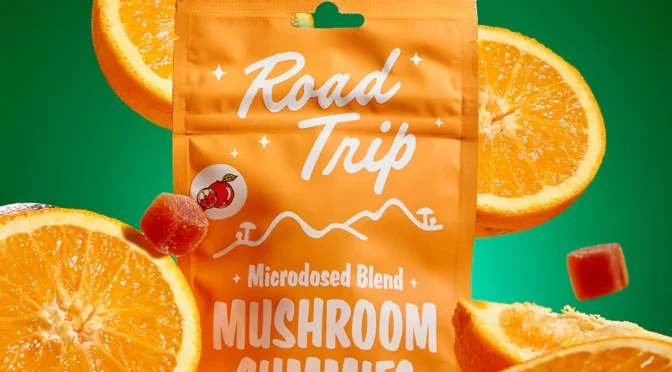
Road Trip Gummies Review (2026): An Honest Look Before You Buy
Quick answer: Road Trip Gummies are a widely sold mushroom gummy line marketed as a “legal psychedelic.” Users often report mood lift, mild euphoria, and visual effects. The catch is transparency: the brand markets vague “proprietary blends” and does not publish a clear Supplement Facts panel on some products, so you cannot always verify the active ingredient or dose. If you want a mushroom gummy you can actually verify, a lab-tested, Certificate-of-Analysis-backed option from a transparent shop like deVIN Boston is the safer call. Full breakdown below.
Road Trip Gummies show up everywhere right now. Smoke shops, gas station counters, a hundred affiliate blogs all running the same discount code. So it’s a fair question to ask before you spend money: are they any good, are they safe, and are they actually legal?
I’ve spent a lot of time behind a wellness shop counter walking people through mushroom products, and I’ve watched the “legal psychedelic” gummy category explode. Some of it is solid. A lot of it is hype wrapped in earth-toned packaging. This review cuts through the marketing to tell you what Road Trip Gummies actually are, where they fall short, and what to buy instead if verifiable quality matters to you.
What are Road Trip Gummies?
Road Trip is a brand of mushroom gummies sold as a legal alternative to traditional magic mushrooms. The line spans a few different formulas, and that’s the first thing to understand, because “Road Trip Gummies” is not one product. Reviewers describe at least three categories floating under the brand and similar “road trip style” products:
- Functional / microdose gummies. Built on non-psychoactive mushrooms like lion’s mane, reishi, and cordyceps, aimed at focus and calm with no high.
- Amanita muscaria gummies. Containing muscimol, the active compound in the red-and-white fly agaric mushroom. Not psilocybin, not federally scheduled, but the subject of recent FDA scrutiny as a food ingredient.
- “Proprietary blend” psychedelic gummies. Marketed for euphoria, visuals, and introspection, with the exact active compounds left undisclosed.
That last category is where the real questions begin.
The effects: what users report
On the experience itself, the feedback is mostly positive, which is part of why the brand spread so fast. Across review sites, customers describe the psychedelic-style versions as producing mild to moderate euphoria, light visual distortion, giggly sociability, and a creative, introspective headspace. Reported onset tends to land around 20 to 30 minutes, with effects lasting somewhere in the two-to-six-hour range depending on the formula and dose.
Functional and microdose versions are a different story. Those are taken for daytime focus, steadier mood, and immune support, with no intoxicating effect at all. If your goal is “sharper and calmer during the workday,” that’s the lane you want, and frankly you don’t need a mystery blend to get there.
The problem: transparency and what’s actually inside
Here’s where I have to be honest with you, because most of the reviews ranking for this product won’t be. The effects might be enjoyable, but you often cannot confirm what is producing them.
Independent reviewers have repeatedly flagged that Road Trip does not publish a clear Supplement Facts label on some product pages, which leaves buyers without active ingredient information or dosages. One supplement-analysis publication put it bluntly, calling the missing label a consumer safety issue and advising people not to buy any dietary supplement without access to its facts panel. The brand has described its formulas as containing “legal tryptamines” without specifying which ones.
That vagueness matters more than it sounds. Some tryptamines are perfectly legal. Others are Schedule I controlled substances. At least one detailed independent review concluded the likely active compound in certain Road Trip products is 4-AcO-DMT, a substance the body converts into psilocin, the same active compound found in actual magic mushrooms. Psilocin is a Schedule I controlled substance, and 4-AcO-DMT can be treated as a controlled substance analogue under federal law when sold for human consumption. I cannot verify that claim about a specific batch, and neither can you from the label, which is exactly the point. When a product hides its active ingredient, “is it legal” becomes a question nobody can answer with confidence, including the person taking it.
The mushroom edibles market has a documented mislabeling problem. Testing by researchers and federal regulators has found products containing undisclosed and sometimes illegal ingredients, and the FDA has urged extra caution with products claiming to produce euphoria or psychedelic effects (TIME). A proprietary blend with no facts panel is precisely the kind of product that warning is about.
What about the legal and FDA picture?
Two separate things get tangled here, so let’s untangle them.
First, scheduling. Psilocybin and psilocin are Schedule I and illegal to sell. Amanita muscaria and muscimol are not federally scheduled, which is why Amanita-based gummies can be sold where psilocybin cannot. Functional mushrooms like lion’s mane are simply legal supplements.
Second, the FDA’s food position. In December 2024 the FDA issued a letter stating that Amanita muscaria and its constituents, muscimol, ibotenic acid, and muscarine, are not authorized for use as ingredients in conventional food, and recommended people avoid foods containing them (FDA, 2024). That is a food-additive stance, separate from controlled-substance law, but it tells you the regulatory wind is blowing toward more scrutiny, not less.
The takeaway for a Road Trip buyer: if the product is Amanita-based, it sits in a legally unscheduled but FDA-flagged space. If it’s a “proprietary tryptamine” blend with no disclosure, you genuinely do not know what bucket you’re in. That uncertainty is a reason to be cautious, not adventurous.
Road Trip Gummies: the honest scorecard
| Factor | Assessment |
|---|---|
| Reported experience | Mostly positive; mood lift, mild visuals, social and creative feel |
| Ingredient transparency | Weak; “proprietary blends,” missing facts panel on some products |
| Lab testing / COA access | Inconsistent; not reliably verifiable for every product |
| Legal clarity | Ambiguous; depends on undisclosed actives and your state |
| Availability | Very wide; online, smoke shops, gas stations |
| Best for | Buyers who prioritize convenience over verification |
How to buy mushroom gummies you can actually trust
Whether or not you go with Road Trip, the buying rules are the same. This is the checklist I give people across the counter.
Demand a Certificate of Analysis
A Certificate of Analysis, or COA, is third-party lab proof of what’s in the product, including potency and contaminant screening. This is the single most important step. A trustworthy seller publishes COAs and will hand you one without flinching. If a product can’t show you its lab results, that absence is your answer.
Read the active ingredient and dose
You want the actual compound named (muscimol, specific functional mushrooms) and a milligram dose per piece. “Proprietary blend” with no numbers is a yellow flag at best. You cannot dose responsibly on a secret.
Match the product to your goal
Want daytime focus with no head change? Functional mushroom gummies built on lion’s mane or reishi. Want a relaxed, mildly altered evening? That’s the Amanita lane, with appropriate caution. Naming your goal first keeps you from buying the wrong category.
Mind your medications
If you take serotonin-regulating medications such as SSRIs, SNRIs, MAOIs, or TCAs, mushroom products can interact in ways you don’t want, including blunted effects or worse. Talk to a licensed medical professional before trying anything new.
Buy from someone accountable
A gas station counter has no reputation to protect and nobody who can answer a question. A real shop with a fixed address and trained staff does. That accountability is worth more than a discount code.
A more transparent alternative: lab-tested mushroom gummies at deVINE Boston
If the Road Trip transparency gaps make you uneasy, good, that instinct is correct. The fix is simply to buy from a retailer built around verification instead of mystery.
deVINE, a South Boston wellness shop founded in 2019, takes the opposite approach to the proprietary-blend crowd. Their legal mushroom collection is curated and lab-tested rather than a wall of unverifiable product, and every item carries a third-party Certificate of Analysis you can actually read. You’ll find clearly labeled Amanita-style gummies in defined potencies, functional mushroom gummies for everyday focus, plus tablets and chocolates, all from named formulas rather than secret ones.
The difference is the whole point of this review. With Road Trip you often cannot confirm the active ingredient. At a transparent shop you can read the published lab reports, ask a trained person which product fits your tolerance, and buy from a business that maintains a documented compliance track record. For first-timers especially, that guidance is the thing no proprietary-blend brand can offer.
You can visit deVINE at 619 E Broadway, open 10am to 10pm seven days a week, call ahead at 617-315-7636 to check stock, or browse and order from deVINE online with free shipping over a set threshold. Either way, you’ll know exactly what you’re getting.
Frequently asked questions
Are Road Trip Gummies legal?
It depends on the formula and your state. Functional mushroom versions are legal supplements, and Amanita muscaria versions are not federally scheduled, though the FDA has flagged Amanita constituents as unauthorized food ingredients. The “proprietary blend” versions are the concern: because the active compounds are undisclosed, legality cannot be reliably confirmed. Some tryptamines are federally illegal.
Do Road Trip Gummies actually work?
Most user reviews report real effects, ranging from mild euphoria and mood lift to light visuals in the psychedelic-style versions, and focus or calm in the functional versions. Effects vary widely by person, dose, and which formula you have.
What’s actually in Road Trip Gummies?
That’s the core problem. The brand markets “proprietary blends” and, according to independent reviewers, does not publish a clear Supplement Facts panel on some products. Functional versions list mushrooms like lion’s mane and reishi, but the psychedelic-style versions keep their active compounds undisclosed.
Are Road Trip Gummies safe?
The reported experiences are generally mild, but safety can’t be fully assessed without knowing the active ingredient and dose, which some products don’t disclose. The broader mushroom edibles market has documented mislabeling issues, so the lack of a verifiable COA is a real concern. Consult a doctor before use, especially if you take medication.
Where can I buy mushroom gummies I can verify in Boston?
deVINE Boston at 619 E Broadway in South Boston carries lab-tested mushroom gummies with published Certificates of Analysis, and the staff can guide you on potency and type. It’s a walk-in shop, and they also ship online across Massachusetts.
Are functional mushroom gummies the same as psychedelic ones?
No. Functional gummies (lion’s mane, reishi, cordyceps) support focus and calm with no high. Psychedelic-style gummies rely on compounds like muscimol or undisclosed tryptamines to produce altered effects. Always check which type you’re buying.
The bottom line
Road Trip Gummies are easy to find and many users enjoy them, but the brand’s reluctance to clearly disclose active ingredients and publish lab results is a genuine drawback, not a nitpick. In a category with a real mislabeling problem, “trust us, it’s a proprietary blend” isn’t good enough.
If you want the experience without the guesswork, skip the mystery blends and buy from a shop built on transparency. deVINE Boston’s lab-tested mushroom gummies let you read the COA, ask real questions, and know what you’re putting in your body. That peace of mind is worth far more than any gas station discount code.
Disclaimer: This article is for informational purposes only and is not medical or legal advice. It is an independent review and is not affiliated with or endorsed by Road Trip Gummies. Products discussed have not been evaluated by the FDA and are not intended to diagnose, treat, cure, or prevent any disease. You must be 21 or older to purchase these products. Mushroom products may cause drowsiness; do not use while driving or operating machinery. Consult a licensed medical professional before use, especially if you are pregnant, nursing, taking medication, or have a medical condition. Laws regarding mushroom products vary by jurisdiction and change frequently; verify current local regulations before purchasing.